Stop quickly and safely on the examiner's signal: how often the emergency stop is used after the November 2025 changes, what the examiner says, how to brake, and the faults to avoid.
The emergency stop is part of about 1 in 7 driving tests, a change that took effect on 24 November 2025. The examiner explains it first, then gives a signal and says “Stop”. Brake at once and firmly, keep both hands on the wheel, avoid locking the wheels, and only apply the handbrake once you have stopped.
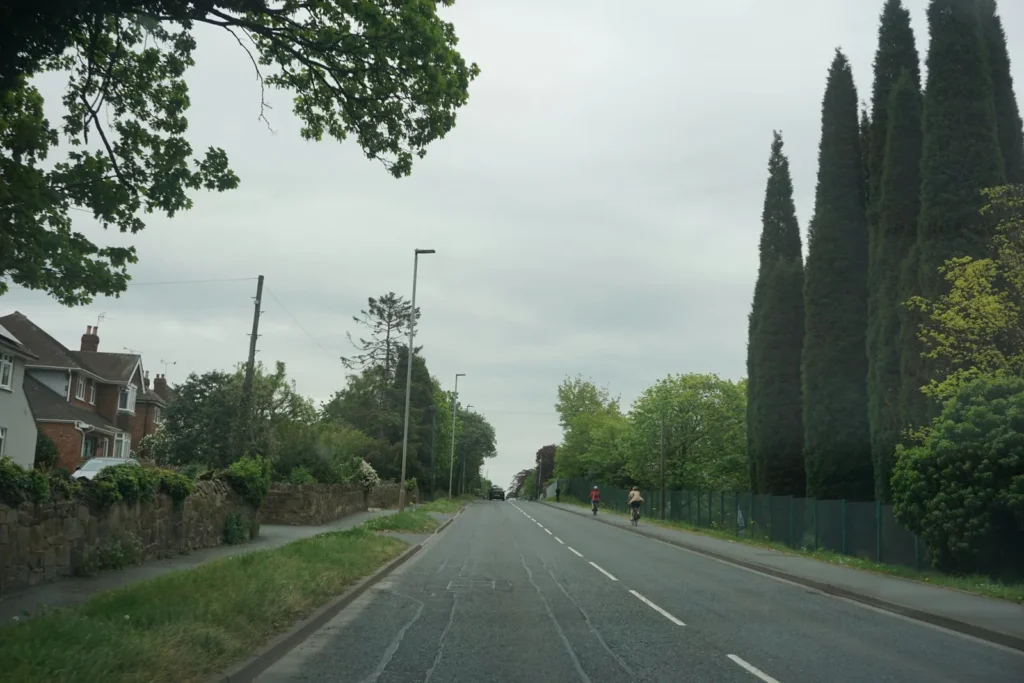
Yes, but you are less likely to get one. From 24 November 2025 the DVSA reduced the emergency stop from 1 in 3 tests to 1 in 7. The change followed a trial at 20 test centres from April to October 2025. The DVSA said the changes make the test feel more like a real drive, which helps learners stay focused and relaxed.
Examiners are told to avoid patterns of time or route, so the choice stays random. The examiner guidance says the exercise stays on the test so that, as a road safety critical exercise, it continues to be taught. So practise it even though the odds are lower.
The emergency stop does not replace a manoeuvre. You still do one reversing exercise, and the emergency stop is an extra when you get it. On your result it is marked under the heading Controlled stop. To see where it fits in the whole test, read how long a driving test is, minute by minute.
The examiner first asks you to pull up on the left. With the car stopped, they explain that shortly they will ask you to carry out an emergency stop. They show you the signal they will use while saying “Stop”, and ask you to stop as quickly and as safely as possible when you see it.
They also tell you that they will look round to make sure it is safe before giving the signal, and that you should wait for the signal. They check you understand, then ask you to drive on when you are ready.
Drive normally for the road while you wait. Crawling along with your foot hovering over the brake does not help, and your normal driving is still being assessed. After the stop, the examiner tells you they will not ask you to do the exercise again, and asks you to drive on when you are ready.
Follow the advice in your car's handbook. In an emergency, the Highway Code says to apply the footbrake firmly and not release the pressure until the car has slowed (rule 120). You may feel the pedal vibrate and hear a noise as the anti-lock brakes work. Keep pressing. ABS should let you keep steering, but do not assume it will stop you in a shorter distance.
Locked wheels can lead to loss of control (rule 118). If the wheels lock and the car slides, the Highway Code says to remove the cause by releasing the brake pedal. Once the wheels grip again, brake again, less harshly. If the back of the car skids, steer in the direction of the skid: if the rear slides to the right, steer right (rule 119).
Stopping distances are at least double in wet weather (rule 227), so leave bigger gaps all the time, not just on test day. Our winter driving guide for learners covers rain, ice and fog.
The examiner wants to see you stop the car safely, promptly and under full control, without locking the wheels. The examiner guidance lists these faults:
Faults are graded on what happened:
| Fault | Example from the examiner guidance |
|---|---|
| Driving fault | The wheels lock and the car skids a short way, but you show you can regain control |
| Serious fault | Very harsh braking that locks the wheels, or a skid that carries on with no real attempt to regain control |
| Dangerous fault | A loss of control that causes actual danger to the examiner, you, the public or property |
A driving fault on its own will not fail you, as you can have up to 15. One serious or dangerous fault is a fail. Our guide to driving test faults explained shows how the rest of the test is marked.
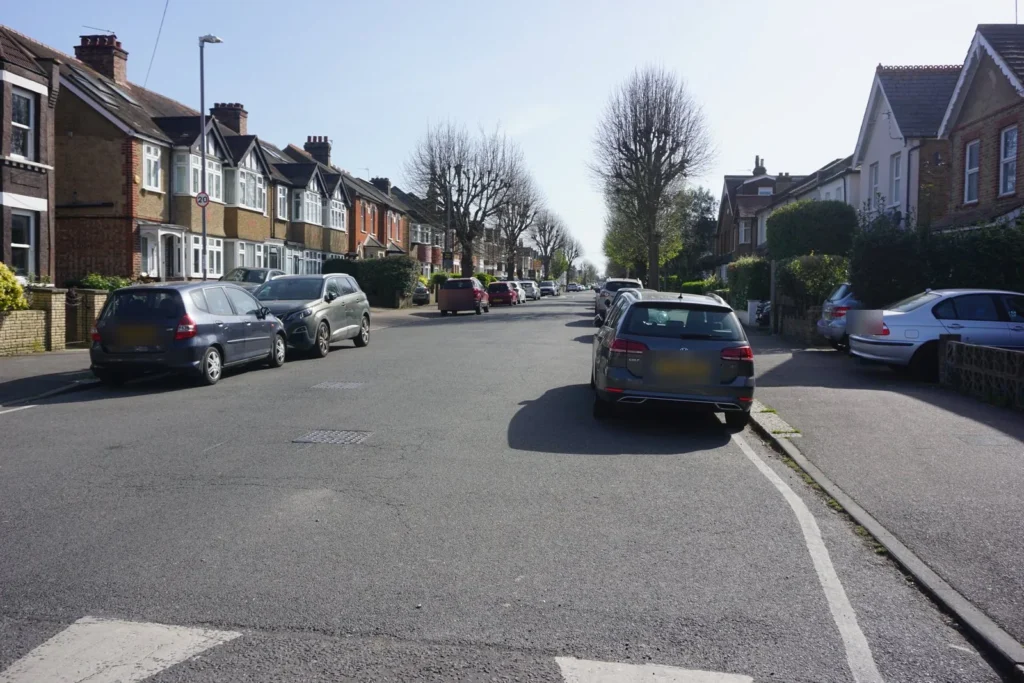
Build it up with your instructor or supervisor on a quiet, straight road. Start at low speed, then practise at a normal speed for the road. Agree the signal first, and make sure whoever is with you checks it is clear behind before giving it, just as the examiner does.
Practise until your foot moves to the brake without thinking. Then add it to a mock driving test: the DVSA's Ready to Pass outline of a mock test includes an emergency stop. You can also watch the emergency stop filmed in 4K to see the routine from the driver's seat.
If you get one, it will be on one of the roads around your test centre. Find your test centre to see those roads before the day. For the bigger picture, see how to pass your driving test.
Wait for the examiner's signal, then brake at once and firmly with both hands on the wheel, trying not to lock the wheels. In a manual, press the clutch just before you stop. Apply the handbrake only once you have stopped, and look all around before you move off.
After a trial at 20 test centres from April to October 2025, the DVSA made the lower frequency permanent from 24 November 2025. The same changes cut the number of planned stops and allowed independent driving to run for the whole test.
No. The examiner looks round to make sure it is safe before giving the signal, so brake straight away. A late or slow reaction is a listed fault.
No. In a manual, brake first and press the clutch down just before the car stops, so it does not stall.
No. You still do one reversing exercise. The emergency stop is an extra in about 1 in 7 tests.
Last checked: 13 October 2026.
