
Everything you need to pass, in one place
In depth guides for learner drivers in England, from your first lesson to test day. Written by the Testroute team and checked against DVSA guidance and The Highway Code.
 PillarStart here
How to pass your driving test
Passing comes down to a few things done well: safe habits, varied practice, a test booked when you are ready and no surprises on the day. Here is the whole plan, step by step.
Read the guide ExplainerFaults and results
The top 10 reasons to fail the driving test and how to avoid them
See the 10 most common reasons car tests are failed in DVSA's latest published list, what each one looks like on the road and the habits that keep you clear of them.
Read guide ExplainerFaults and results
Driving test pass rates: the national figure and how to read your centre’s
Get the latest national car test pass rate for Great Britain, see how it has moved since 2022 and learn what your own centre's figure can and cannot tell you.
Read guide GuideFaults and results
Observation on your driving test: mirrors, blind spots and lane changes
Learn when to check your mirrors, when to look over your shoulder and how to change lanes cleanly, so the faults at the top of DVSA's fail list do not catch you out.
Read guide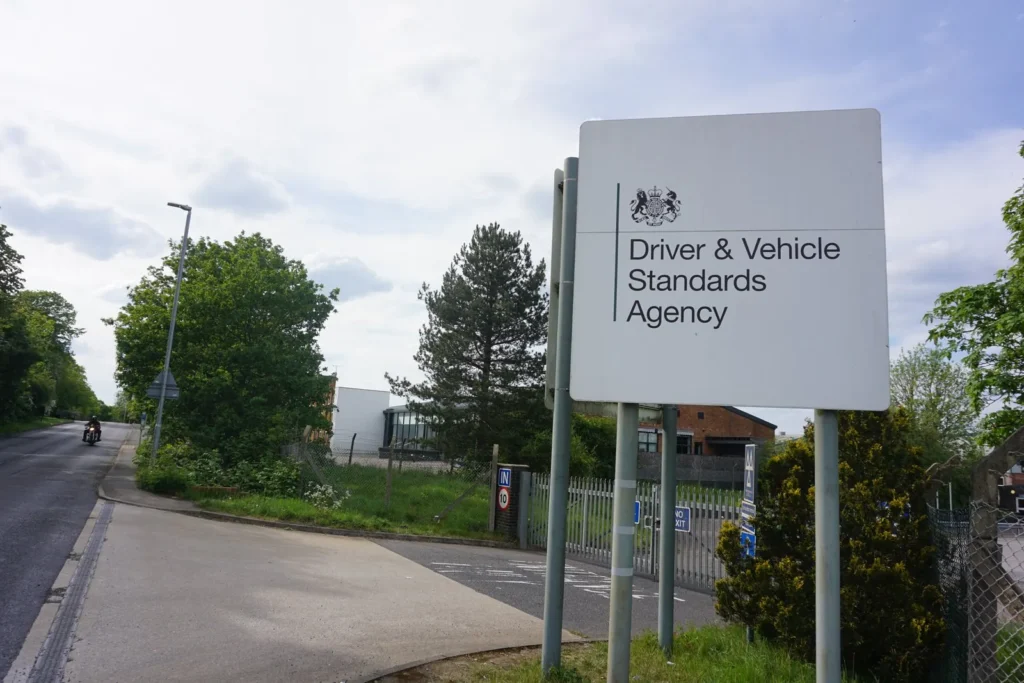 GuideFaults and results
Failed your driving test? What happens next
Know what to do in the hour, week and month after a fail: reading your faults, rebooking under the 2026 rules, and when a complaint or appeal makes sense.
Read guide ExplainerFaults and results
Driving test faults explained: minor, serious and dangerous
Know exactly how the examiner marks you: the three fault types, how many minors you can get before you fail, what 'examiner took action' means and how to read your result.
Read guide GuideJunctions and roundabouts
Spiral roundabouts: how the lane markings lead you out
On a spiral roundabout the lane lines guide you to your exit, as long as you start in the right lane. How to read the approach, follow your lane round and leave cleanly.
Read guide GuideJunctions and roundabouts
Mini roundabout rules: priority, signals and the white circle
A mini roundabout is small, but the rules match a big one, with less time to act. Who goes first, how to signal, and why you never drive over the white circle.
Read guide GuideJunctions and roundabouts
Who has priority at a junction? How to take junctions on your test
Give way lines, stop lines, unmarked crossroads, filter arrows and the 2022 rule on pedestrians. Know who goes first at every kind of junction, and what examiners mark when it goes wrong.
Read guide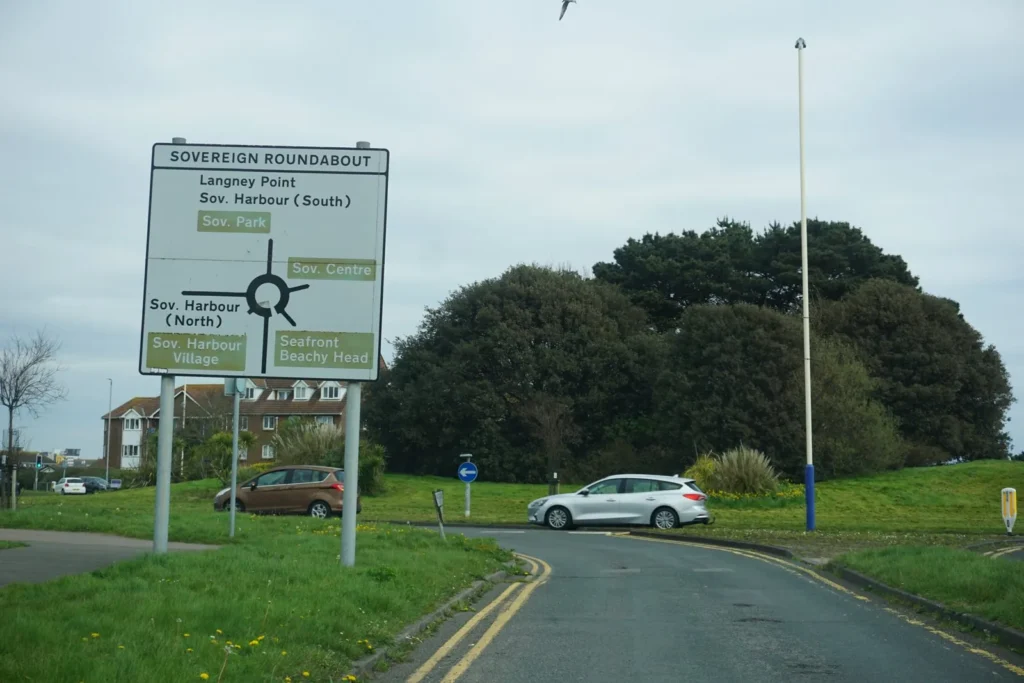 GuideJunctions and roundabouts
Rules for roundabouts in the UK: lanes, signals and who goes first
Know who goes first, which lane to use for left, ahead and right, and exactly when to signal, so the roundabouts on your test feel routine instead of rushed.
Read guide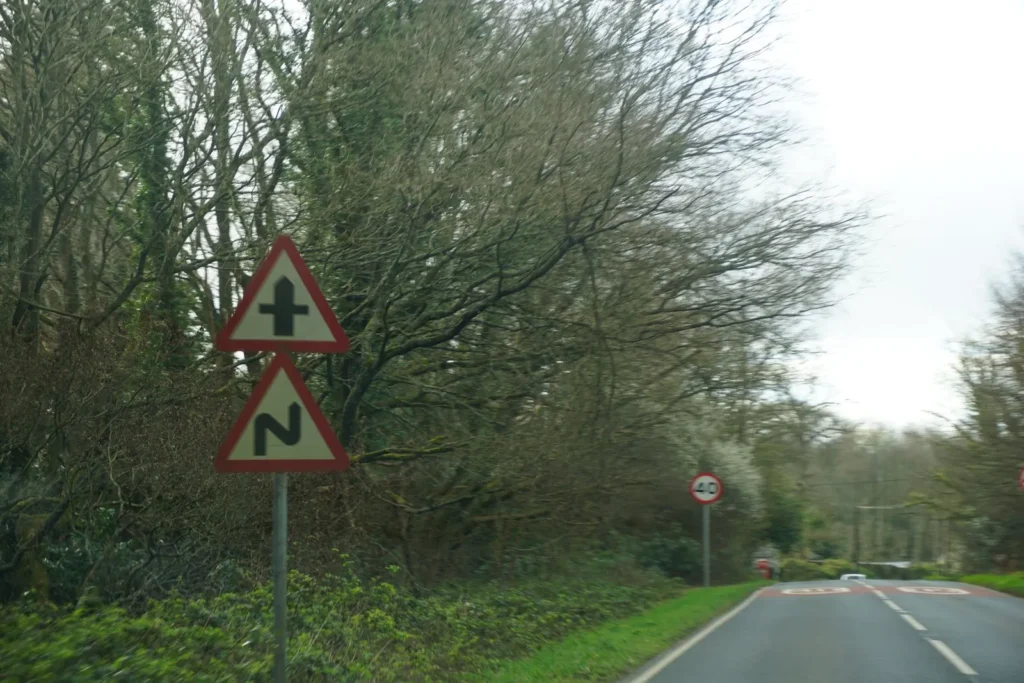 GuideLearning to drive
Winter driving tips for learners: ice, rain, fog and dark evenings
Winter driving tips for learner drivers: how to get the car ready, how much more room to leave on wet and icy roads, when to use lights, and what happens if weather cancels your test.
Read guide ExplainerLearning to drive
Learner driver rules: supervisors, L plates, insurance and passengers
Know the learner driver rules in England before you practise: who can supervise you, L plates, insurance, passengers, motorway lessons, penalty points and the proposed minimum learning period.
Read guide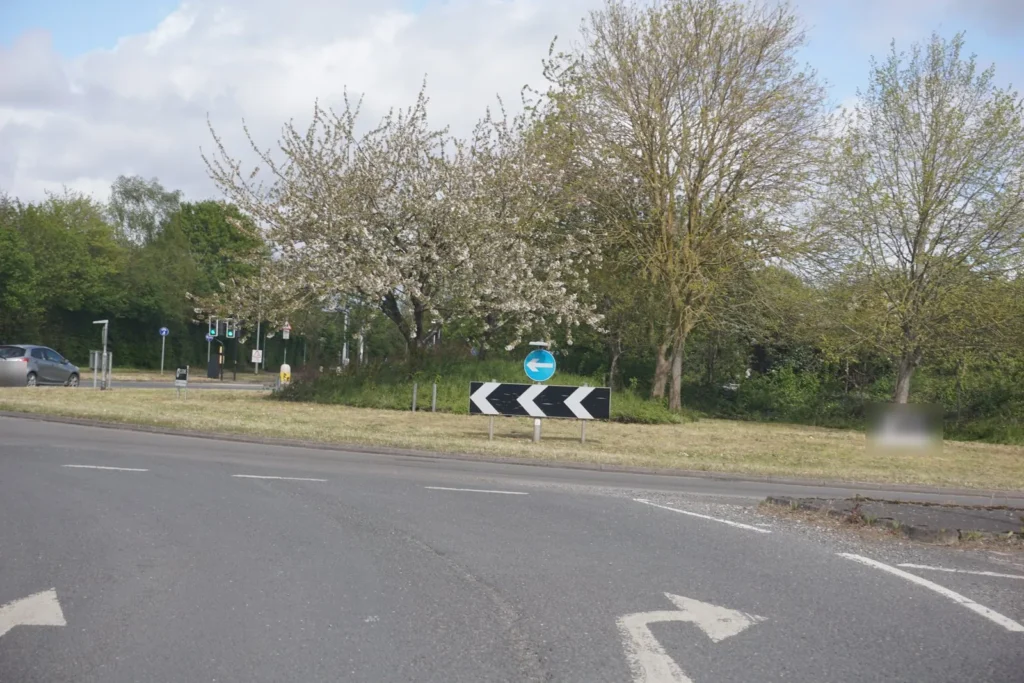 TipLearning to drive
Mirror, signal, manoeuvre: the routine examiners watch for
Use the mirror, signal, manoeuvre routine the way examiners expect: which mirror to check first, when to signal, and how position, speed and look finish the job safely.
Read guide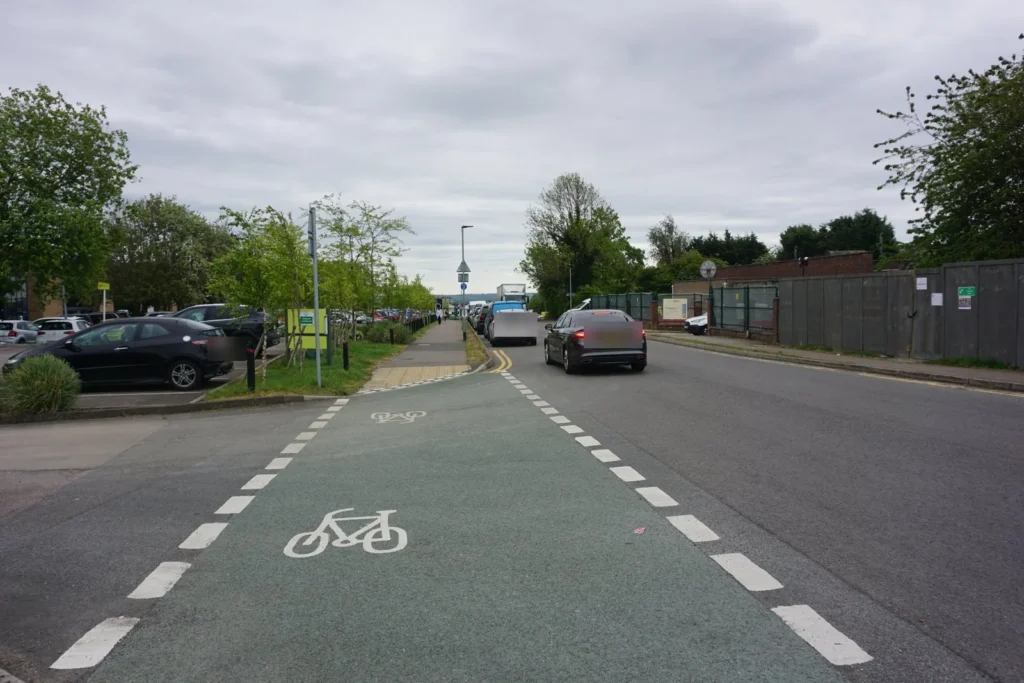 ExplainerLearning to drive
The hazard perception test: how to spot developing hazards
Learn what counts as a developing hazard, when to click in the hazard perception test, and how the same scanning habits carry straight into your practical driving test.
Read guide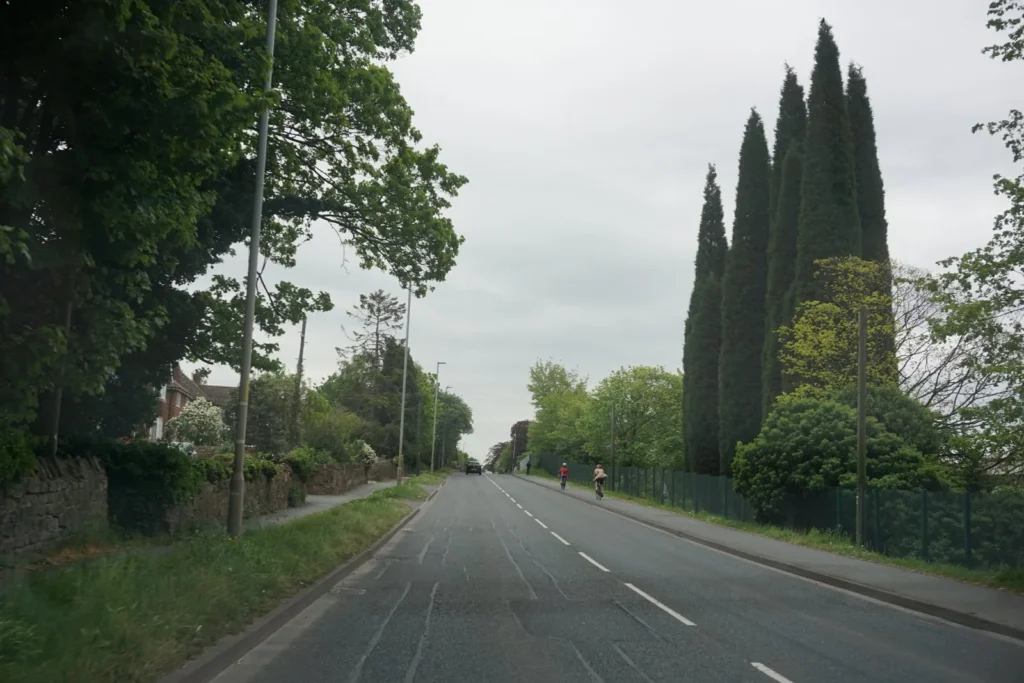 GuideManoeuvres
Pull up on the right and reverse: step by step
Cross to the right-hand kerb safely, reverse about two car lengths and rejoin the traffic, with tips on picking your spot, judging oncoming traffic and the checks examiners mark.
Read guide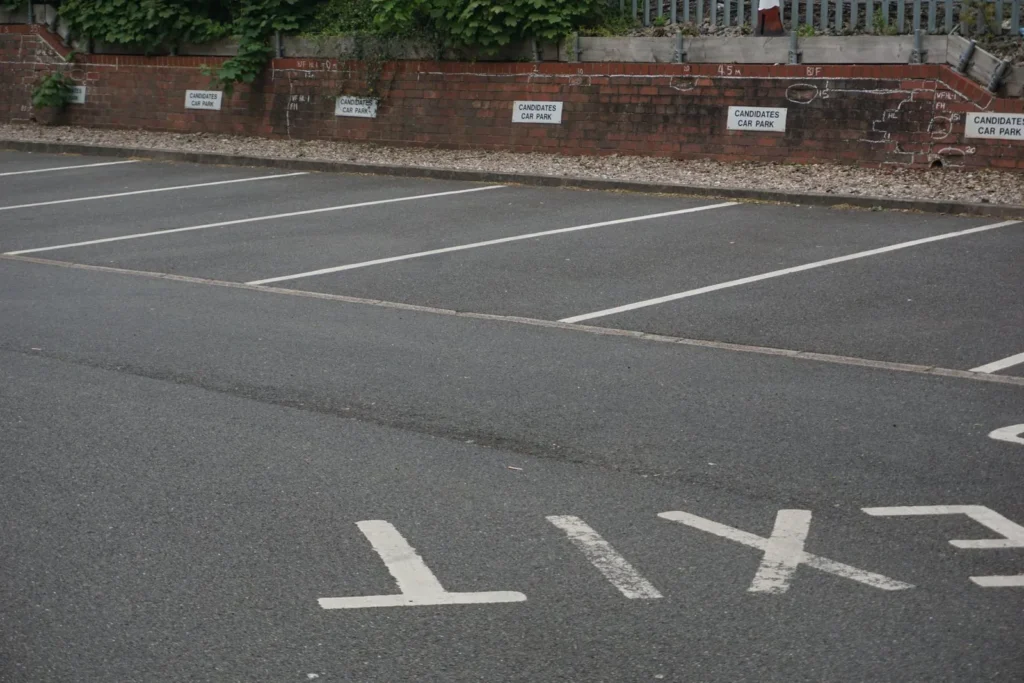 GuideManoeuvres
Forward bay parking: drive in, reverse out
Drive into a bay and reverse back out safely: where to turn in, how to finish inside the lines, which checks matter when you reverse out, and how the examiner marks it.
Read guide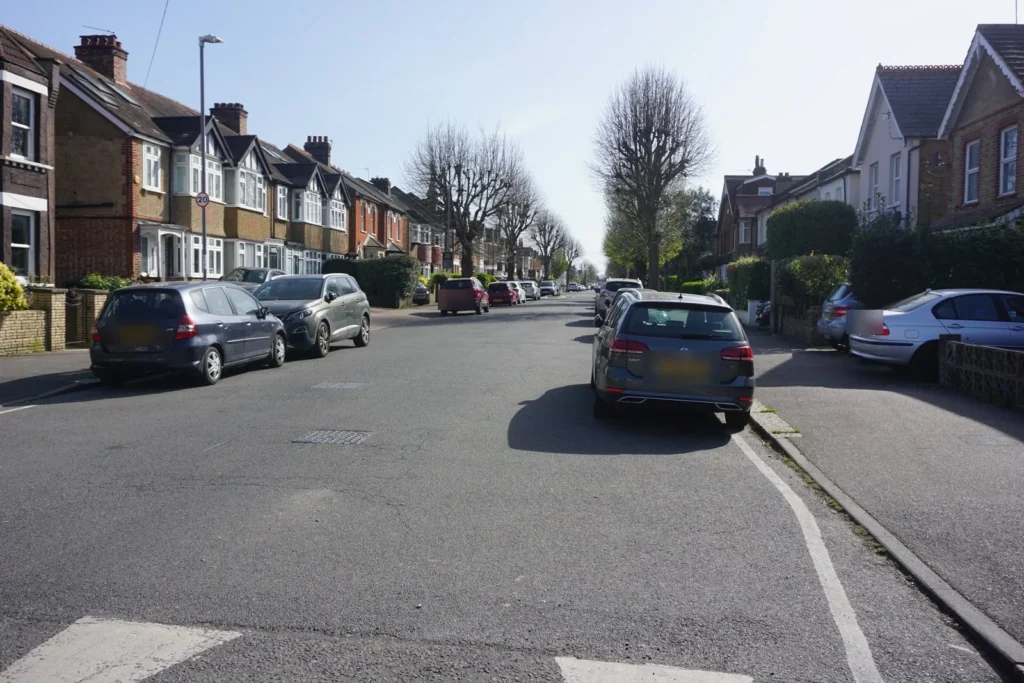 GuideManoeuvres
The emergency stop: how to do it on your driving test
Stop quickly and safely on the examiner's signal: how often the emergency stop is used after the November 2025 changes, what the examiner says, how to brake, and the faults to avoid.
Read guide GuideManoeuvres
Reverse bay parking: reference points that work
Reverse into a bay and finish inside the lines: where to stop before you steer, when to straighten, what to check all around, and how to correct a bay park that is going wrong.
Read guide GuideManoeuvres
Parallel parking: a step by step guide for your test
Reverse in behind a parked car and finish close to the kerb within about two car lengths, with common reference points, the checks examiners watch and calm ways to correct it.
Read guide ExplainerRoads and crossings
Yellow box junctions: when you can enter and when you must wait
The one check that decides whether you can enter a yellow box junction, when turning right lets you wait inside it, and how examiners mark box junction mistakes.
Read guide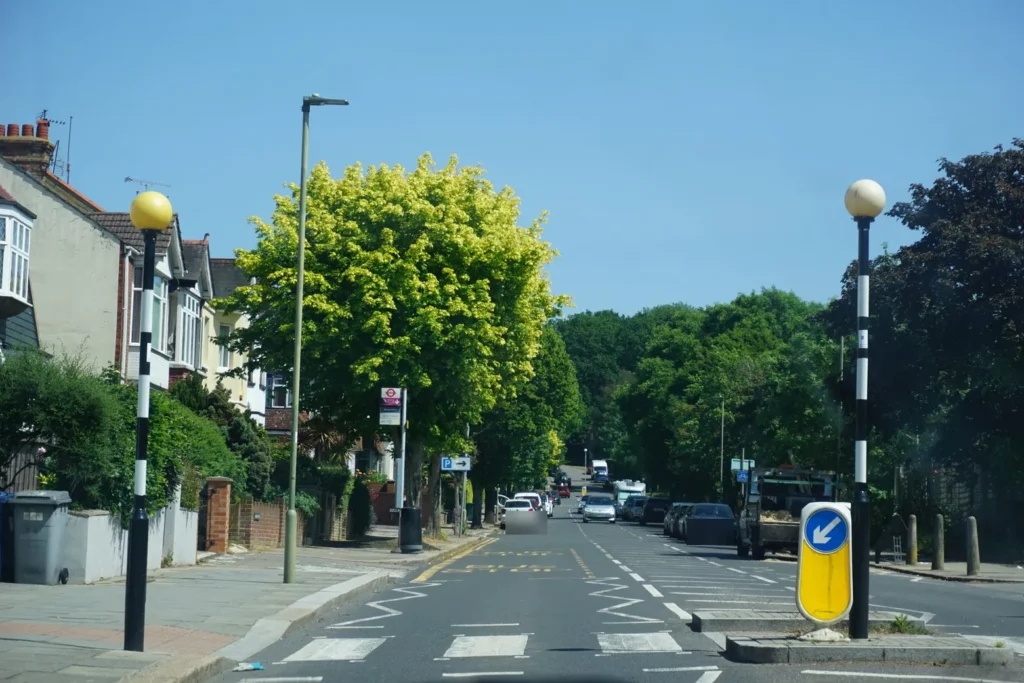 ExplainerRoads and crossings
Pedestrian crossings: zebra, pelican, puffin and toucan explained
Learn to tell each pedestrian crossing apart, when you must stop and when you may go, and the crossing mistakes examiners mark on the driving test.
Read guide ExplainerRoads and crossings
The national speed limit: what it means on every road
What the national speed limit sign means for a car on each type of road, why 60 mph is often too fast on a country lane, and how examiners judge your speed.
Read guide ExplainerRoads and crossings
Can a learner driver drive on the motorway?
Find out when a learner can drive on a motorway in England, who must be with you, what a motorway lesson covers and how it helps on the fast roads of your test.
Read guide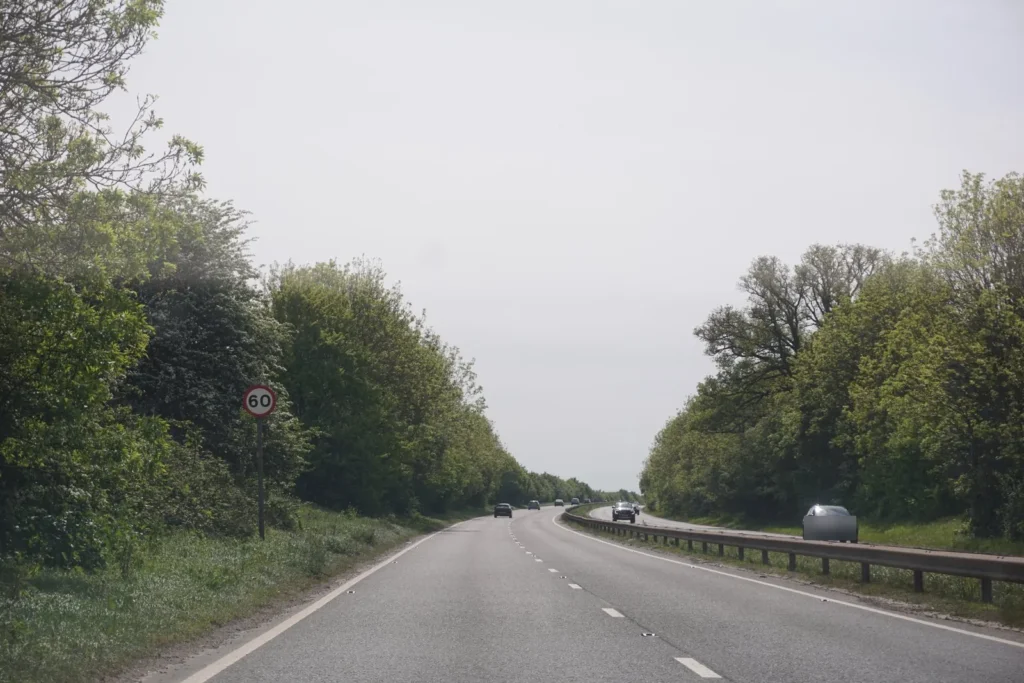 ExplainerRoads and crossings
Dual carriageways: speed limits, lanes and slip roads
What makes a road a dual carriageway, the speed limit for cars, which lane to use, and how to join and leave from a slip road on your driving test.
Read guide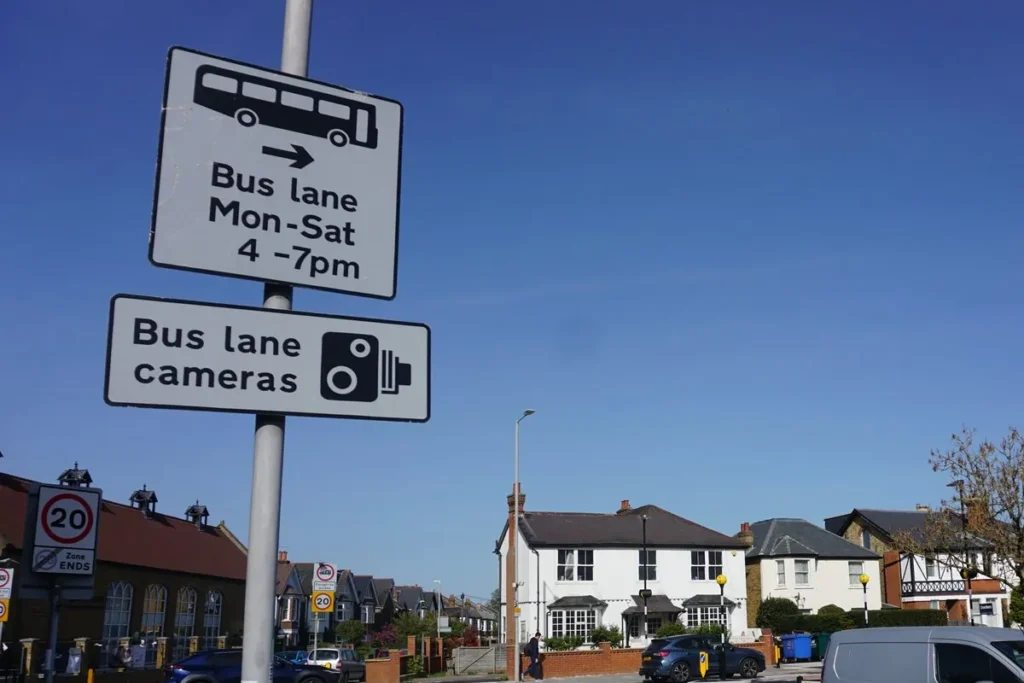 ExplainerRoads and crossings
Bus lane rules: times, signs and contraflow lanes explained
How to read a bus lane sign at a glance, when you can and cannot drive in a with-flow or contraflow bus lane, and what the examiner expects when you meet one on test.
Read guide TipRoads and crossings
Mini roundabout sign or roundabout sign? How to tell them apart
One is a blue circle that gives an order, the other a red triangle that gives a warning. Tell the two apart at a glance, and know what each one asks you to do.
Read guide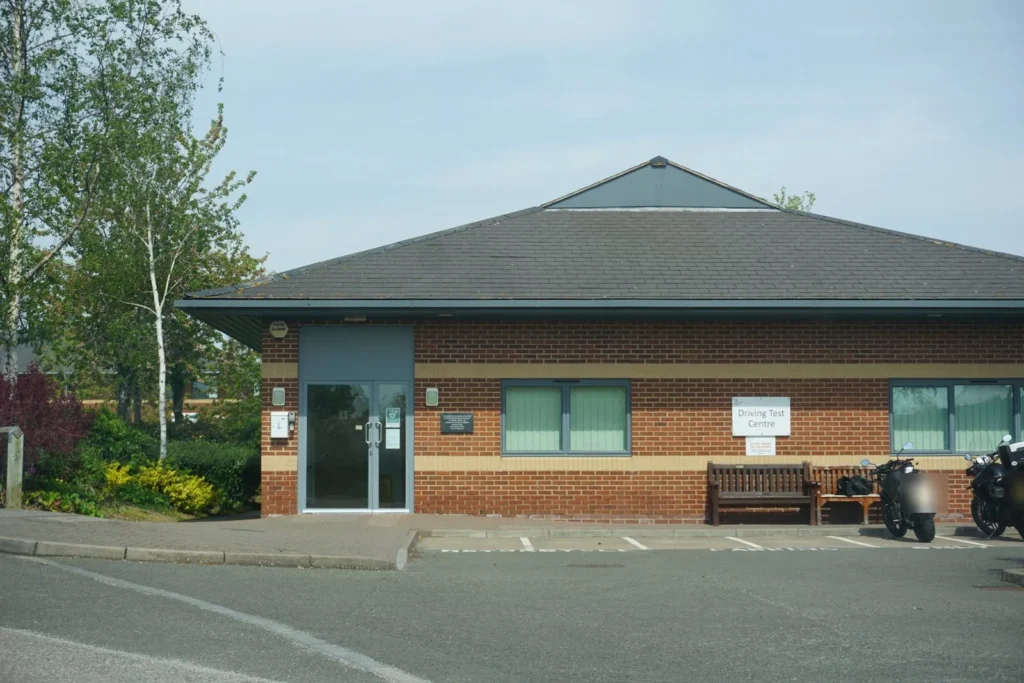 ExplainerThe driving test
Driving test wait times: what to expect and how to get a test sooner
The median wait for a car test was 9.7 weeks in May 2026, with big differences between areas. See what the figures mean, how the new booking rules work and how to find earlier dates.
Read guide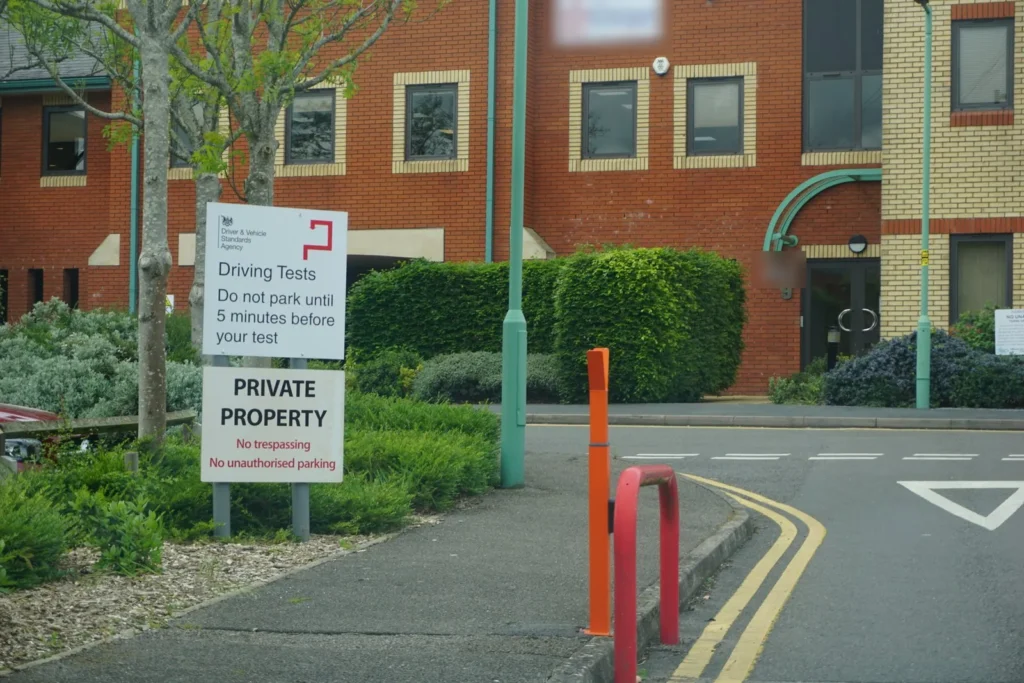 ExplainerThe driving test
Taking your driving test in your own car: the rules and a checklist
Make sure your own car or a hire car passes the examiner's checks, so your driving test is not cancelled on the day and you do not have to pay for it twice.
Read guide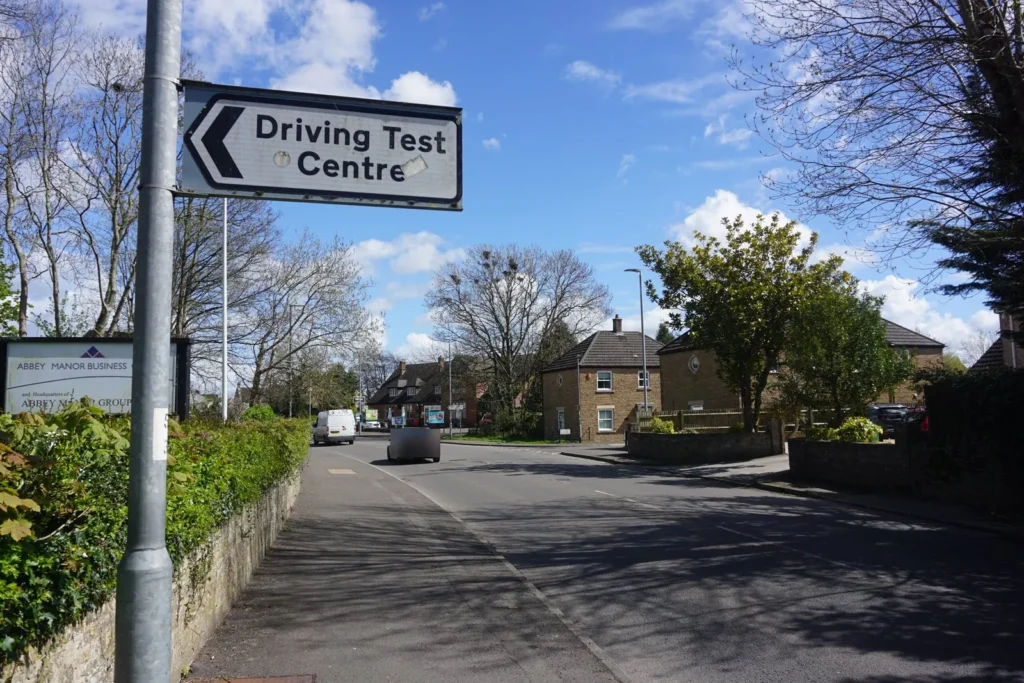 GuideThe driving test
Mock driving test: how to run one that tells you if you are ready
Learn to run a mock driving test that copies the real one, mark it the way an examiner would, and use the result to decide whether to book, keep or move your test.
Read guide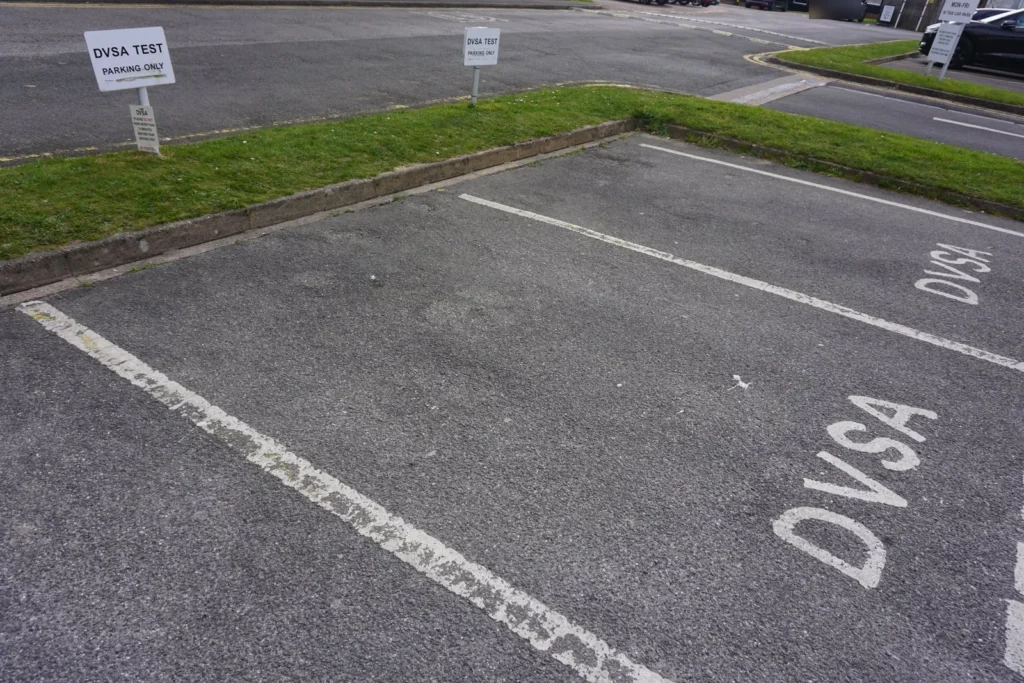 ExplainerThe driving test
How long is a driving test? What happens, minute by minute
The whole test takes about 40 minutes, and around 35 of them are spent driving. Know what comes when, from the eyesight check to the debrief, so nothing on the day catches you out.
Read guide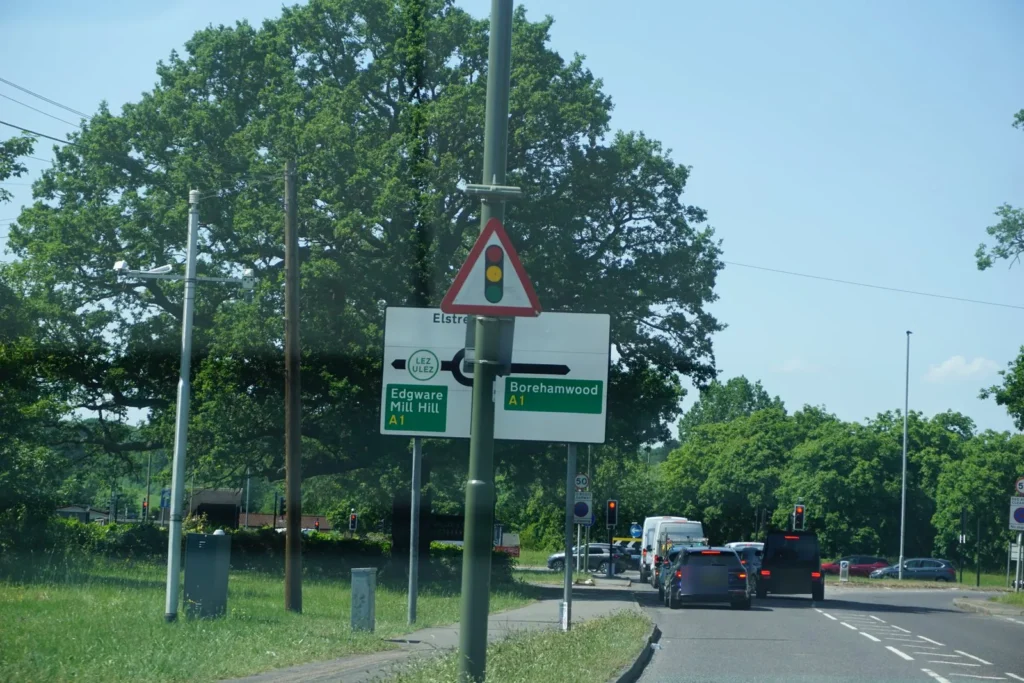 ExplainerThe driving test
Independent driving: the sat nav driving test explained
For 20 to 35 minutes of your test, and sometimes all of it, the examiner stops giving directions and you follow a sat nav or road signs. Learn how it works and how to practise.
Read guide ExplainerThe driving test
The eye test on your driving test: reading a number plate at 20 metres
Before you drive anywhere, you read a number plate from 20 metres away. Learn how the check works, what happens if you misread a plate and how to test yourself weeks before.
Read guide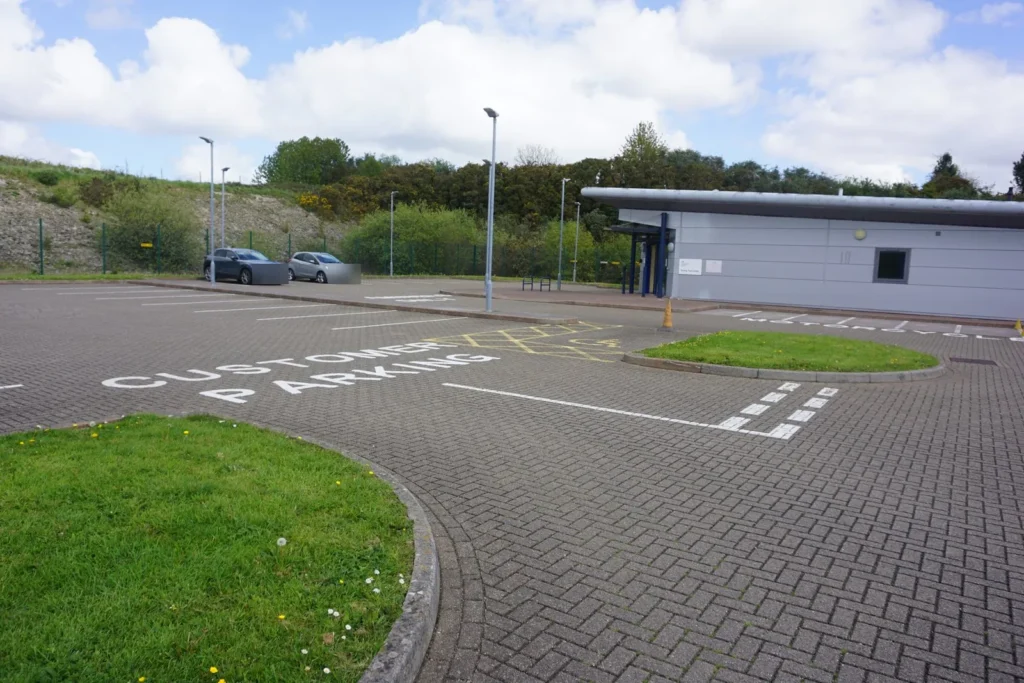 GuideThe driving test
Driving test nerves: how to stay calm on the day
Practical ways to handle driving test nerves, from the weeks before your test to the moment you move off, and what happens if you make a mistake on the day.
Read guidePillarThe driving testHow to pass your driving test
Passing comes down to a few things done well: safe habits, varied practice, a test booked when you are ready and no surprises on the day. Here is the whole plan, step by step.
Read guide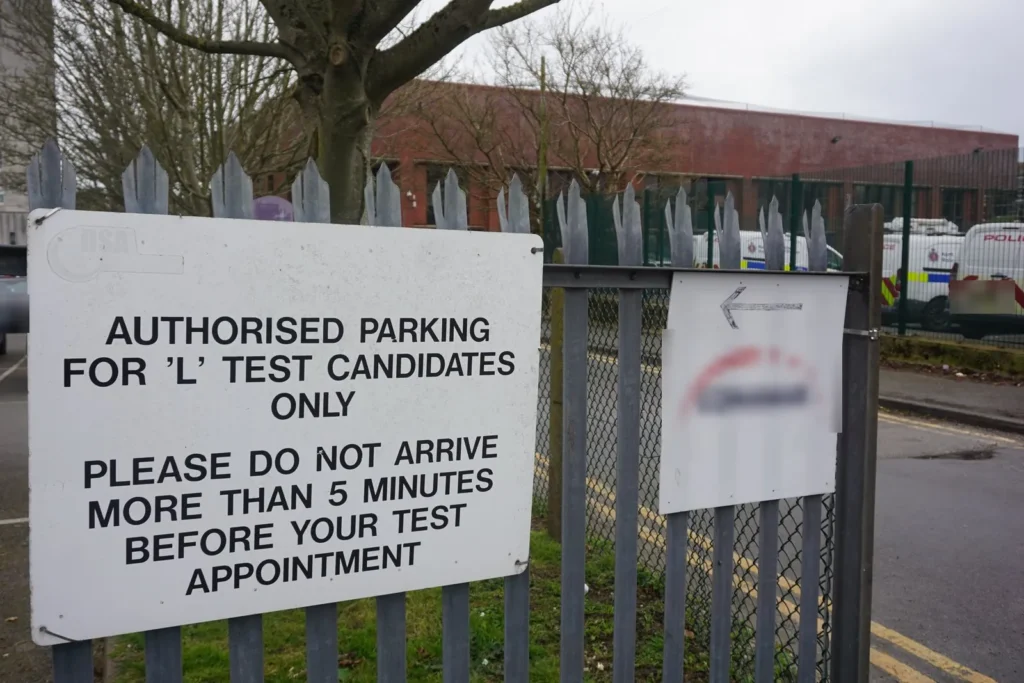 ExplainerThe driving test
What to bring to your driving test
Three things decide whether your test goes ahead: your licence, a car that meets the rules and, if you need them, your glasses. Check them the night before and arrive calm.
Read guide