Practical ways to handle driving test nerves, from the weeks before your test to the moment you move off, and what happens if you make a mistake on the day.
Driving test nerves are normal, so prepare until nothing on the day feels new: take mock tests and drive the roads you will meet around your test centre. On the day, arrive in good time, breathe slowly and deal with one thing at a time. If you make a mistake, carry on, because it might not affect your result.
Feeling nervous before a driving test is normal, and examiners expect it. Their own guidance says candidates are more nervous on test day than with their instructor or a friend, and it asks examiners to offer a few words of reassurance to anyone who is clearly struggling.
Nerves can still cost you. DVSA's Ready to Pass campaign says 1 in 10 people who fail the driving test say it was mostly down to nerves. That is why practising ways to manage your nerves is one of the five signs DVSA uses to say you are ready.
Most nerves come from not knowing what will happen. Take that away and there is far less to worry about.
If the date gets close and you are not ready, move your test back. It is free with at least 10 full working days' notice, and working days are Monday to Saturday.
Then stop revising. You already know how to drive, and one more evening of reading will not change that.
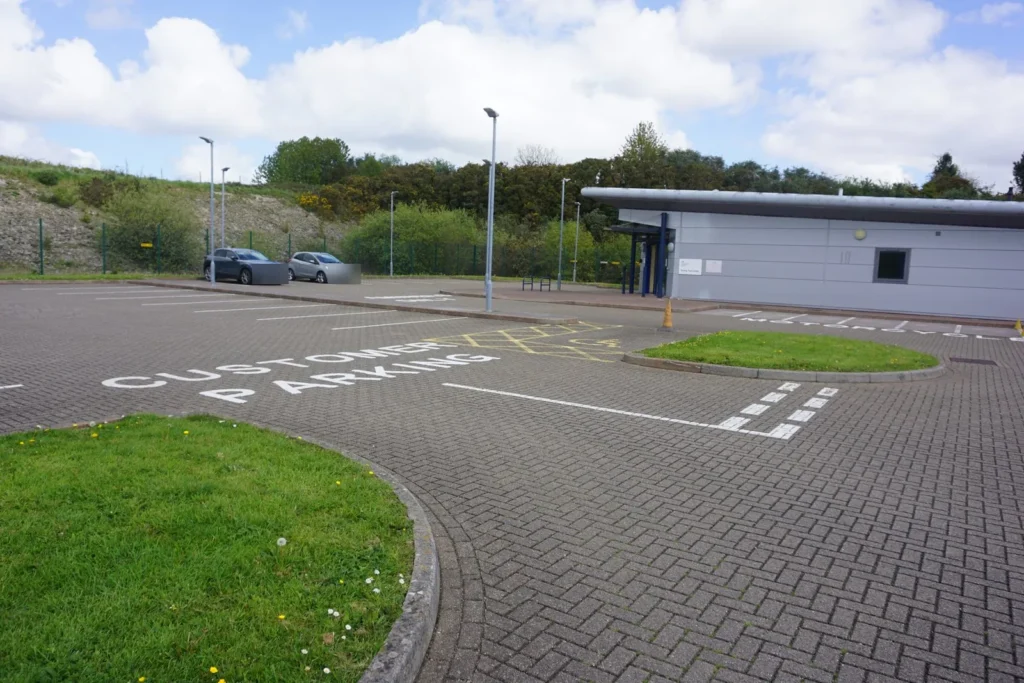
Use the minutes before the examiner calls your name. Sit back, drop your shoulders and take a few slow, steady breaths. Leave your phone in your pocket.
Decide in advance whether you want someone with you. The examiner will ask if you want someone to sit in the back, usually your instructor. Some people feel calmer with someone they know in the car. They cannot help you, but they can note where any fault happened and listen to the feedback with you.
The first few minutes are routine. The examiner checks your licence, you sign a declaration, you read a number plate and you answer a tell me question. Treat them as a warm up, not a hurdle.
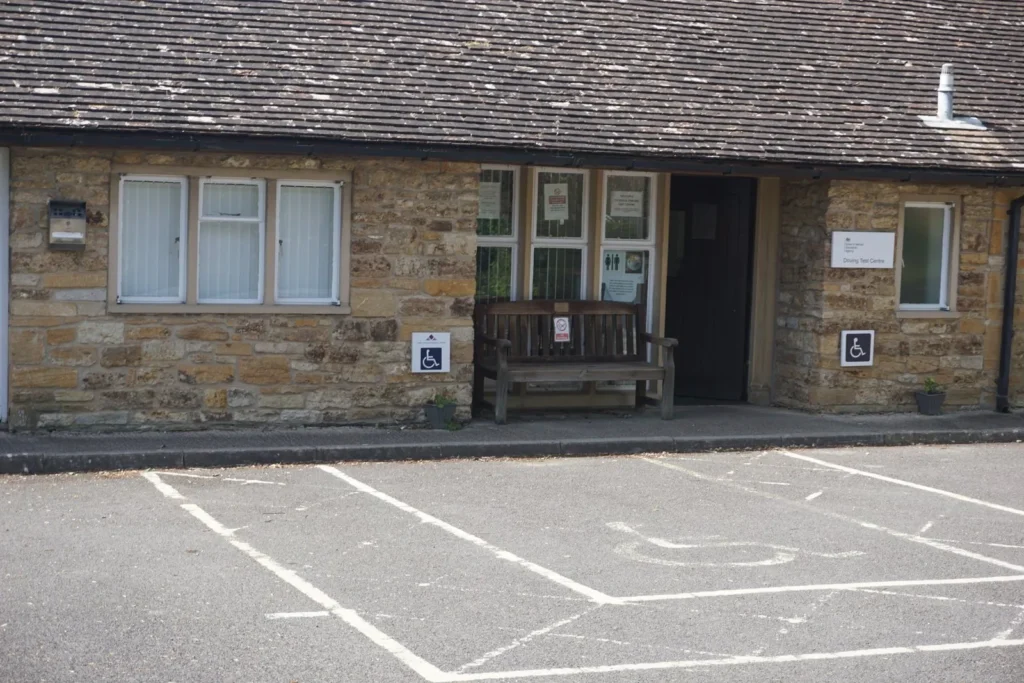
Once you move off, give your attention to the road ahead, not to the examiner's tablet.
If your hands shake or your mind races at a red light, use the wait. Breathe out slowly, loosen your grip and look at what is around you.
This is where nerves do the most damage: one mistake, then panic, then three more. Your job is to break the chain.
GOV.UK is clear that you can carry on if you make a mistake, and that it might not affect your result if it is not serious. The examiner will only stop the test if your driving is a danger to other road users.
Some common worries, answered by DVSA:
The moment after a mistake is the one to watch. Put it behind you and look at the next hazard, because that is what the examiner is marking now.
Examiners mark what you do, not how you feel. Each mistake is recorded as one of three types:
You pass with up to 15 driving faults and no serious or dangerous faults, so you can make several small mistakes and still pass. Our guide to minor, serious and dangerous faults shows how each one is judged, and how to pass your driving test brings the whole test together.
The examiner tells you whether you passed and talks you through any faults. You also get an email with the result. If your instructor did not sit in, they can still join you to hear the feedback.
If you did not pass, give yourself a day before you plan the next step. Our guide to what to do after a failed driving test explains how to rebook and what to work on.
Most test nerves fade once you are moving. If anxiety is affecting your daily life, your sleep or your lessons, talk to your GP.
You can also slow things down. There is no minimum number of lessons or hours of practice, so take the time you need. The only clock is your theory test pass, which lasts 2 years.
Prepare so nothing is new: take mock tests, learn your show me, tell me answers and drive the kind of roads around your test centre. On the day, arrive in good time, go easy on caffeine and take a few slow breaths before you go in.
No. Examiners mark your driving, not your nerves, and their guidance asks them to reassure candidates who are clearly nervous. Nerves only matter if they lead to a serious or dangerous fault.
Yes. Examiner guidance says candidates must not be left in doubt about the route, and needing a reminder of where to go is not a fault in itself.
Stalling once is not an automatic fail if you keep control of the car. Stalling again and again, or rolling back a long way after a stall, can lead to a fail.
It is your choice. Some people feel calmer with someone they know in the car, and your instructor can note where any faults happened. They cannot help you during the test.
Last checked: 13 October 2026.
