Cross to the right-hand kerb safely, reverse about two car lengths and rejoin the traffic, with tips on picking your spot, judging oncoming traffic and the checks examiners mark.
In the pull up on the right exercise, you stop at the right-hand kerb when it is safe, reverse about two car lengths close to the kerb, then rejoin the traffic. The exercise tests how you judge oncoming traffic as much as your reversing, so take your time over the checks.
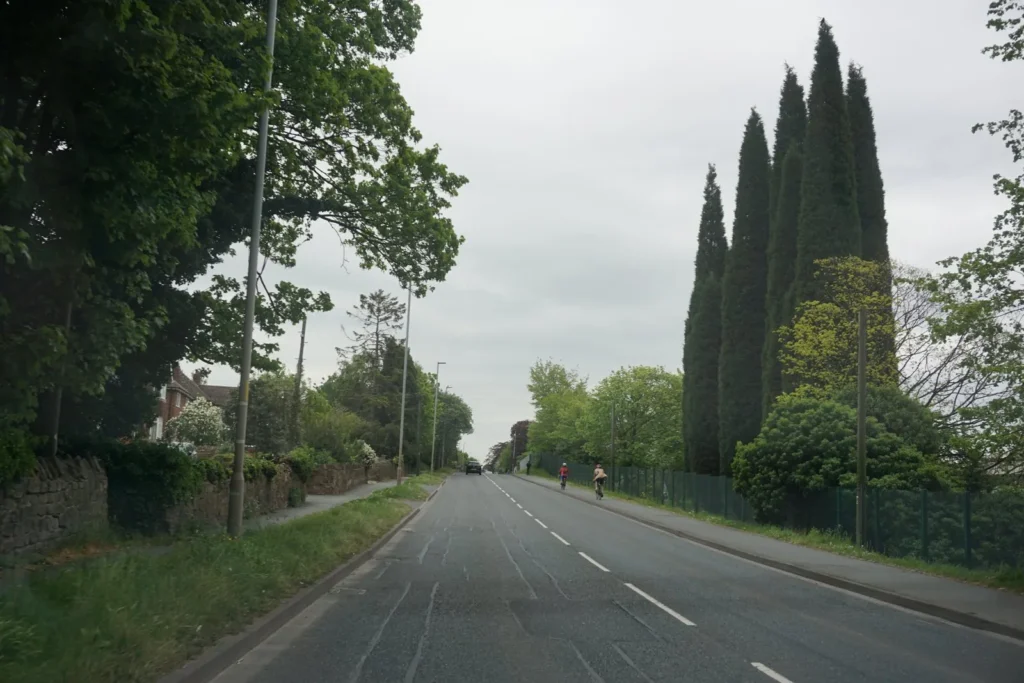
Pulling up on the right is one of the reversing exercises on the car test. GOV.UK describes it as pulling up on the right-hand side of the road, reversing for around two car lengths and rejoining the traffic. The examiner picks which exercise you get.
It happens during normal driving, on a main road that usually carries light to medium traffic. The examiner should choose a straight stretch with clear views well ahead and behind.
The examiner says: “Pull up on the right when it is safe to do so, please.” You choose the exact spot. Once you have stopped, they say: “I would now like you to reverse for about two car lengths, keeping reasonably close to the kerb.” When you have done that, they ask you to drive on.
If you ask for help while reversing or moving off, the examiner will tell you to do it as if you were on your own. They will not get out to guide you. If a vehicle blocks you from reversing, the examiner should call the exercise off and ask for a manoeuvre later in the test.
Faults are recorded under the heading Reverse / right from the moment you start your mirror and signal routine after the instruction.
During the day, yes, unless something else stops you parking there. The Highway Code advises against parking facing against the traffic flow (rule 239). It also says you must not park on a road at night facing against the traffic unless you are in a recognised parking space (rule 248). On the test it is a short stop the examiner asks for, to see how you judge traffic and control the car on the other side of the road.
You cross the path of oncoming traffic twice, once to pull in and once to pull away, so judging speed and distance is the core of this exercise. Before you cross, ask yourself whether an oncoming driver would need to slow down for you. If the answer is yes, wait.
While you reverse, check all around rather than staring at the kerb. Watch the pavement for people, look ahead for oncoming vehicles and cyclists, and remember that the front of your car swings out if you steer (rule 202).
When you rejoin, you need a gap in both directions at once. Do not wait for a perfectly empty road, because waiting unnecessarily for other road users is a listed fault too. When the gap is safe, go. The mirror, signal, manoeuvre routine and our guide to blind spot checks are worth reading alongside this one.
The examiner wants to see you pull up safely on the right and reverse two car lengths, with effective all-round observation throughout and consideration for other road users.
The examiner guidance lists these control faults: poor co-ordination of the controls, brushing or scrubbing the kerb, mounting the pavement, stalling, and reversing out into the road. The observation faults are:
How serious a misjudgement is depends on its effect:
| Fault | Example from the examiner guidance |
|---|---|
| Driving fault | You misjudge the speed and distance of an approaching vehicle as you start to move over to the right |
| Serious fault | The approaching driver has to brake heavily to let you cross |
| Dangerous fault | Actual danger to the examiner, you, the public or property |
You can pass with up to 15 driving faults and no serious or dangerous faults. Read how driving test faults are marked for the full scheme.
GOV.UK says you can carry on if you make a mistake, and that it might not affect your result if it is not serious. So fix small problems calmly:
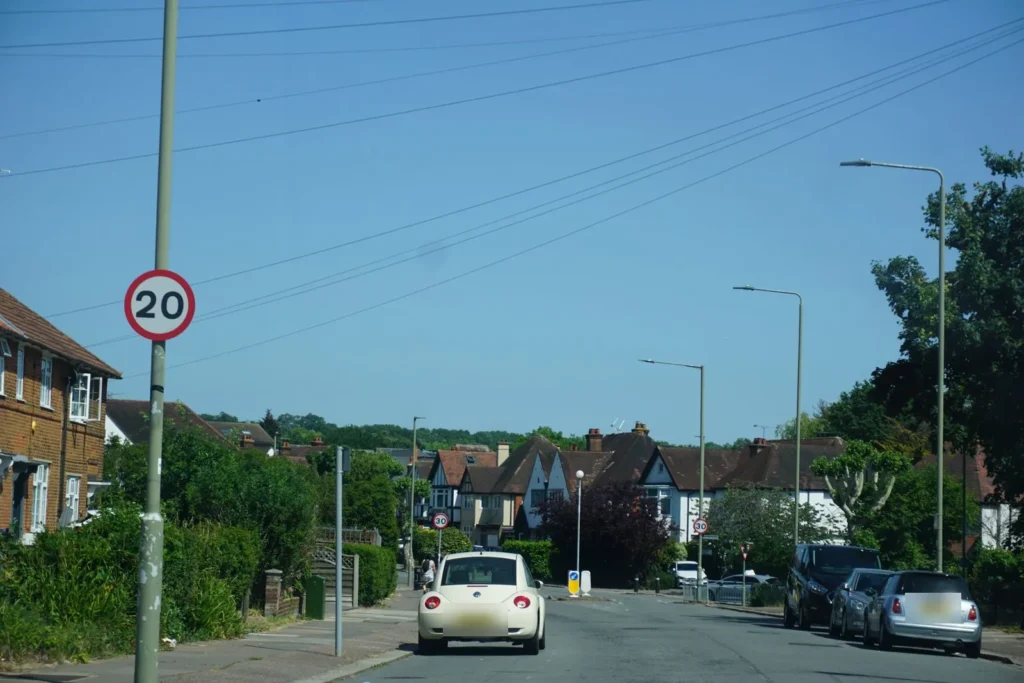
Practise on wide residential roads first, then on quieter main roads with traffic, parked cars and cyclists, because that is the kind of road the examiner looks for. Practise picking spots as well as the reverse itself.
Reversing in a straight line close to the kerb is a skill this exercise shares with parallel parking, step by step. You can also watch pull up on the right filmed in 4K.
The examiner will choose a road from those around your test centre. We filmed the roads around test centres across England, so you can find your test centre and see the main roads learners around that centre drive most often. For the rest of the test, start with how to pass your driving test.
Yes. It is one of the reversing exercises listed by GOV.UK, and the DVSA confirmed that the November 2025 test changes made no change to the manoeuvres.
About two car lengths, keeping reasonably close to the kerb. The Highway Code says you must not reverse further than necessary (rule 203).
Signal if it would help other road users, and make sure it cannot be mistaken for a turn into a side road (rule 103). A missing or late signal where one was needed is a listed fault.
No. The examiner will tell you to carry out the exercise as if you were on your own, and they will not get out of the car to help.
If a vehicle blocks you from reversing, the examiner should call the exercise off and ask you to do a manoeuvre later in the test.
Last checked: 13 October 2026.
